
To Buy Abilify Online Visit Our Pharmacy ↓
 Abilify Vs Other Antipsychotics: Comparison Guide
How Aripiprazole Works Compared to Other Antipsychotics
A clinician describes aripiprazole as a stabilizer: it partially activates dopamine receptors rather than simply blocking them, producing balanced signaling in certain pathways.
Most antipsychotics largely block D2 receptors; many also target serotonin sites, causing broad suppression that reduces psychosis but can increase side effects.
Because of partial agonism, aripiprazole tends to cause less sedation and metabolic disturbance, though it may occasionally produce activating effects like akathisia.
Clinicians weigh benefits: symptom control, side-effect profile, and patient preference; mechanism influences response, guiding personalized selection among antipsychotic options and adherence over time.
| Drug type | Typical mechanism |
|---|---|
| Aripiprazole | Partial D2 agonist; 5-HT1A agonist, 5-HT2A antagonist |
| Most antipsychotics | D2 antagonists; varied serotonin receptor activity |
Comparing Effectiveness for Schizophrenia and Bipolar Disorder
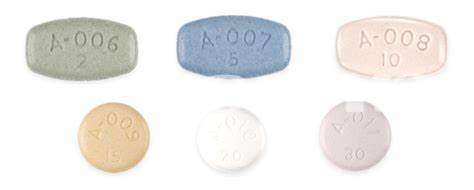
Clinicians often describe stories where abilify brought steady improvement without heavy sedation, reflecting its partial dopamine agonist action. For schizophrenia, it can reduce psychotic symptoms comparably to many second generation antipsychotics, though responses vary by individual biology and illness severity.
In bipolar disorder, abilify is effective for manic episodes and as adjunctive therapy for depression, but some agents (like lithium or valproate) retain evidence for mood stabilization. Direct comparison trials show modest differences; choice often reflects side effect trade offs.
Ultimately treatment is personalized: symptom profile, prior response, comorbidities, and patient preference guide selection. Regular monitoring and open discussion about benefits versus risks yield the best outcomes, whether prescribing abilify or alternatives. With realistic expectations.
Side Effect Profiles: Weight Gain, Sedation, and Movement
Some antipsychotics produce notable weight gain, altering appetite and metabolism; abilify generally causes less weight gain than olanzapine or clozapine, though individual responses vary.
Sedation differs widely: drugs like quetiapine and low-potency agents tend to be sedating and helpful for insomnia, whereas abilify is relatively activating and less likely to cause drowsiness.
Movement-related effects range from early extrapyramidal symptoms to late-onset tardive dyskinesia; first-generation agents carry the highest risk, while abilify and many second-generation drugs usually have lower rates but can still occasionally cause akathisia or parkinsonism in some patients.
Dosing Flexibility, Half-life, and Administration Differences
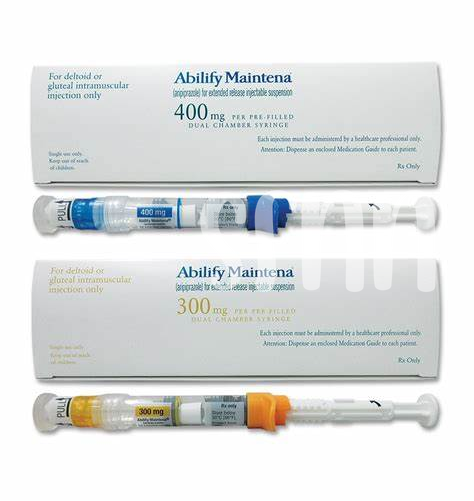
Patients often describe switching antipsychotics as navigating a vehicle with different gears; some drugs require strict timing while others allow more leeway. abilify’s oral tablets can be taken once daily and its long-acting injectable is administered monthly, offering options for adherence. Other antipsychotics may need twice-daily dosing or more frequent injections, and some have very short half-lives that demand precise scheduling to avoid symptom return.
Pharmacokinetics affect how steadily symptom control is maintained — long half-lives smooth fluctuations but can prolong side-effect resolution, while short ones allow faster washout when changing therapy. Administration routes (oral, orodispersible, depot) influence convenience, monitoring, and acute care planning. Clinicians weigh these practicalities alongside efficacy and tolerability to match a regimen to a person’s lifestyle, support system, and risk of missed doses. Shared decision-making improves adherence and satisfaction with chosen treatment over time for many.
Cost, Insurance Coverage, and Generic Availability Considerations
Talking about price need not be clinical; it changes whether a person fills a prescription, and abilify’s brand cost often exceeds generic equivalents, so copay cards, manufacturer coupons, and clinic assistance can be decisive. Pharmacists review options, comparing monthly totals, mail-order pricing, and available discounts to avoid gaps in care.
Insurance formularies and step therapy vary widely between plans; patients should ask prescribers about prior authorization, appeals, or samples. For many, switching to a generic reduces cost-related nonadherence, but clinicians balance affordability with efficacy and tolerability. Together, patient preferences, financial constraints, and pharmacy logistics guide a sustainable choice that maximizes adherence and clinical stability. Discuss costs openly with your clinician to choose a sustainable plan.
Choosing Right Antipsychotic: Patient Factors and Preferences
A clinician listens as Maria compares benefits and risks, emphasizing symptom control, side effects, and daily routines when choosing her medication and goals.
Family history, pregnancy plans, substance use, and prior response to treatments shape recommendations; shared decision-making keeps the patient in control and personal values.
Practical issues like dosing schedule, monitoring requirements, cost, and access to injections influence suitability alongside clinical effectiveness and cognitive or metabolic risks.
Regular review of outcomes and tolerability allows switching when needed; informed consent and clear follow-up plans reduce uncertainty and improve adherence periodically.