
To Buy Neurontin Online Visit Our Pharmacy ↓
 Neurontin for Neuropathic Pain: What Science Says
How Neurontin Works: Mechanisms Behind Pain Relief
I once watched a friend describe burning nerves as static that never left; gabapentin eases that static by modulating calcium channels and lowering neurotransmitter release and may calm central sensitization over weeks.
At the cellular level it binds to the alpha-2-delta subunit of voltage-gated calcium channels, which dampens excitatory signaling and reduces pain hypersensitivity and may modify spinal processing.
Clinically this mechanism can translate into fewer spontaneous pain spikes and improved sleep; responses vary, but understanding the biology helps patients set realistic expectations. Discuss timelines with clinicians to gauge benefit.
| Target | Primary Effect |
|---|---|
| Alpha-2-delta subunit | Reduced calcium influx |
Evidence Review: Clinical Trials and Effectiveness Summary

Clinical trials of neurontin have produced mixed but informative results. Early randomized studies showed modest pain reduction in postherpetic neuralgia and diabetic neuropathy, while later meta-analyses highlight variability across conditions.
Effect sizes are often small-to-moderate; many patients experience meaningful relief, yet a significant proportion do not. Heterogeneity in study design, dosing, and outcome measures complicates interpretation.
Overall, evidence supports conditional use when first-line therapies fail, with clinicians weighing benefits against side effects. Shared decision-making and realistic expectations improve outcomes. Further high-quality research will clarify long-term effectiveness and optimal patient selection.
Dosage Strategies: Finding the Right Gabapentin Dose
Finding the right neurontin dose often feels like tuning an instrument: start low, increase slowly, and listen to the body's feedback. Clinicians usually begin with small doses, assessing pain relief and side effects before titration.
Typical regimens start at 100–300 mg nightly, then increase to 300 mg two or three times daily as tolerated, with some patients needing 1,800–3,600 mg daily. Kidney function mandates dose reduction or extended dosing intervals.
Individual response varies; clinicians tailor titration speed to symptom control and side effects. Co-prescribing with opioids or sedatives raises risk for sedation and respiratory depression, so communication and review are essential for safe neurontin use.
When stopping or switching, gradual tapering prevents withdrawal-like symptoms and rebound pain. Regular follow-up, dose adjustments, and setting realistic goals help balance symptom relief with daily functioning and minimize unnecessary long-term exposure for most patients.
Side Effects and Risks: What Patients Should Expect
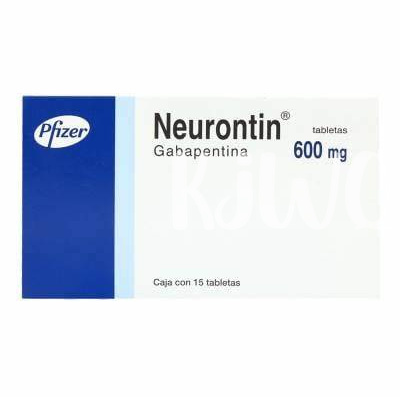
Many people prescribed neurontin experience common, usually reversible effects such as drowsiness, dizziness, unsteady gait and peripheral edema. Cognitive slowing, memory difficulty and mild coordination problems are also reported; these often improve with dose reduction or gradual titration. Less common but serious reactions include allergic rash, pronounced breathing suppression—especially when combined with opioids—and mood changes including depression or suicidal thoughts, which require immediate medical attention.
To minimize risks, clinicians typically start low and increase slowly while monitoring renal function and concomitant medications. Patients should avoid alcohol and be cautious with driving or operating machinery until they know how the drug affects them. Abrupt discontinuation can provoke withdrawal symptoms; tapering is advised. Discuss pregnancy, breastfeeding and interactions with other CNS depressants with your provider to find a safe, individualized plan. Regular reassessment and clear communication improve outcomes, safety, and overall health.
Comparing Alternatives: How Neurontin Stacks up
Clinically, neurontin often competes with antidepressants and topical agents; clinicians weigh efficacy, side effects, and patient comorbidities when selecting therapy.
Option Notes Neurontin Broadly used; dose-dependent relief
Compared with opioids, anticonvulsants offer lower addiction risk; SNRIs and tricyclics may match pain reduction but bring different tolerability profiles requiring thoughtful risk–benefit discussion. Topicals suit localized neuropathy and have minimal systemic effects.
Choice hinges on patient goals, comorbidities, and side-effect tolerance; trials with clear stopping rules improve outcomes. Discuss goals, monitor response closely, and reassess regularly through shared decision-making with your clinician.
Practical Tips: Talking to Your Doctor about Gabapentin
When you walk into the appointment, tell your story clearly: describe pain quality, intensity, triggers and previous treatments tried. Mention other medications, supplements, medical conditions and any history of substance use. Clarifying goals—reducing pain, improving sleep or function—helps the clinician personalize a plan.
Ask specific questions: how long until effects appear, typical starting and target doses, side effects to expect, and interactions with alcohol or opioids. Discuss monitoring strategies, safe dose reductions, and signs that warrant urgent care. Ask whether a trial period with objective outcome measures is appropriate.
Bring a written medication list, a pain diary or symptom tracker, and a brief list of priorities to guide shared decisions. Clarify follow-up timing, who to contact about adverse effects, and how tapering will be handled if needed. Document the plan and next steps before leaving, and keep communication open always.