
To Buy Prednisone Online Visit Our Pharmacy ↓
 How to Taper Prednisone: Best Practices Explained
Recognize When and Why Slow Taper Matters
When tapering prednisone, think of it as guiding a ship back to shore slowly; abrupt changes can shock the body’s cortisol balance, carefully.
A slow taper gives the adrenal glands time to resume natural hormone production, reducing serious dizziness, fatigue, and life-threatening adrenal insufficiency.
Clinically, duration and dose matter: longer use or higher doses usually require gentler reductions; never stop high-dose therapy suddenly without close medical oversight.
Talk with your clinician early; a tailored plan balances disease control with recovery of the HPA axis, lowering long-term risks and anxiety overall.
| Benefit | Impact |
|---|---|
| Gradual HPA recovery | Reduces adrenal insufficiency |
| Lower withdrawal | Less dizziness and fatigue |
Personalized Taper Plans: Factors Your Doctor Considers
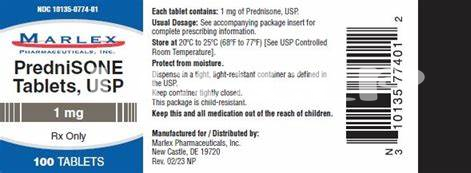
Imagine waking up to the reality that your body has been relying on a drug for weeks; your clinician assesses prednisone dose and duration, the reason it was started, and whether the adrenal axis may be suppressed.
They weigh age, weight, comorbidities like diabetes or osteoporosis, concurrent medications that interact, and the risk of infection; patient preferences and lifestyle also shape the pace. Tailoring a plan prevents withdrawal symptoms and balances disease control.
Regular monitoring — symptoms, blood pressure, glucose, and sometimes morning cortisol or ACTH stimulation testing — informs stepwise reductions. When flares occur, the schedule can be paused or reversed; clear communication ensures a safer, individualized taper with fewer surprises and better outcomes.
Stepwise Dose Reduction Strategies to Minimize Withdrawal
Imagine easing off a high cliff instead of jumping: that’s how many patients describe tapering prednisone. Start by reducing dose gradually, often by small percentage steps or fixed milligram decrements, then pause to assess symptoms. Your doctor may lengthen each step if withdrawal signs appear, and keeping a diary of energy, sleep, and joint pain helps identify subtle relapses.
Blood pressure, glucose and inflammatory markers guide adjustments, while gradual timing changes (for example moving morning doses later) can ease cortisol rhythm recovery. Communicate promptly about dizziness, fatigue or mood shifts; if a flare occurs your clinician may temporarily increase dose and slow the taper. Clear expectations reduce anxiety and improve long-term outcomes and sleep hygiene.
Monitoring Symptoms and Labs during the Taper
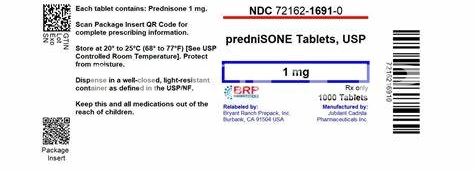
As you lower prednisone, keep a daily log of energy, appetite, mood and any pain or lightheadedness; these subtle shifts often signal adrenal response before labs change. Measure vital signs—blood pressure and weight—regularly and bring them to visits. Your clinician will usually order morning cortisol, basic metabolic panel and glucose checks, and sometimes CBC or bone-health tests depending on duration of therapy. Trends matter more than single numbers; compare values over weeks.
Report persistent fatigue, dizziness, nausea or unexplained weakness immediately, and ask about stress-dose needs for illness or surgery. Labs that drift—falling sodium, rising potassium, low cortisol—typically prompt a slower taper or temporary dose increase. Work with your provider to set clear thresholds for action, schedule follow-up labs, and use telehealth updates when symptoms change. This shared, proactive approach reduces withdrawal risk and keeps treatment aligned with your recovery.
Common Pitfalls That Sabotage a Successful Taper
A rushed taper feels tempting when symptoms fade, but abrupt cuts can trigger adrenal withdrawal and relapse. Patients often underestimate physiologic dependence on prednisone despite short-term improvements and increased anxiety.
Common mistakes include skipping doses, fast percentage drops, and ignoring comorbidities. Coordinate schedules, follow percentage reductions, and document symptoms so clinicians can slow or pause tapering when needed for safety.
Talk openly with your team; steroid-sparing alternatives, infection risks, and mood shifts matter. If withdrawal signs appear, seek care promptly—adjustments often restore stability without sacrificing disease control or worsening symptoms.
| Pitfall | Quick Fix |
|---|---|
| Skipping doses | Maintain schedule |
| Too-fast cuts | Smaller percentage steps |
Adjusting Taper for Flares and Underlying Conditions
When a flare appears during taper many clinicians pause or temporarily increase prednisone to control the acute inflammation; for patients this can feel like setback, but a short, higher-dose rescue followed by a slower downward plan often prevents larger relapses.
Underlying conditions—such as adrenal suppression, autoimmune disease activity, or concurrent infections—change the rhythm of tapering: labs, endocrine input, and immunology guidance help tailor pace, add steroid-sparing therapies, or extend maintenance to protect function and reduce risk.
Communicate symptoms promptly, track vitals and cortisol testing when indicated, and agree on clear rescue steps with your clinician; flexibility allows restarting a brief higher dose, then resuming a gentler taper once inflammation is controlled and recovery is evident.