
To Buy Priligy Online Visit Our Pharmacy ↓
 Priligy Vs. Other Treatments: a Comparison
How Priligy Works Compared to Alternatives
Imagine timing a moment where control returns; Priligy acts centrally, increasing serotonin to delay ejaculation, offering a pharmacologic rhythm that many men find restores confidence.
Alternatives work differently: topical anesthetics numb the glans to reduce sensation, behavioral techniques train timing and reflexes without drugs, while classic SSRIs taken daily adjust neurotransmitters over weeks.
That means Priligy delivers rapid, predictable onset for situational use, but other options may suit those preferring non-pharmacologic strategies or daily medication patterns; choice depends on preferences, side-effects and lifestyle.
| Treatment | Mechanism | Onset |
|---|---|---|
| Priligy | Short-acting SSRI boosts serotonin | 1–3 hours |
| Topical anesthetic | Local desensitization | Immediate |
| Behavioral therapy | Training and reflex control | Weeks to months |
| PDE5 inhibitors | Improve erections, indirect delay | Variable onset |
Effectiveness and Onset: Priligy Versus Options
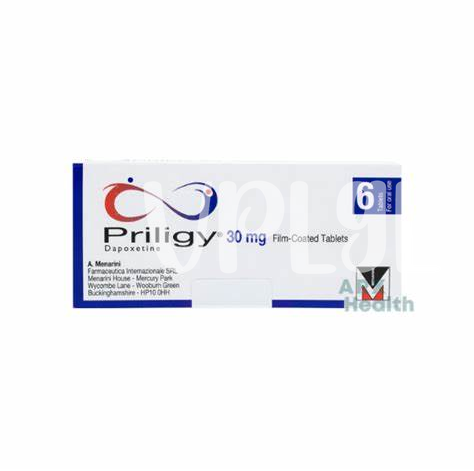
In a busy clinic I often hear men ask how quickly relief will arrive. Priligy, a fast-acting oral option, typically works within one to three hours and can produce notable increases in latency during sexual activity, offering predictable timing for planned encounters.
By contrast, daily SSRIs require weeks to yield comparable gains; they can be highly effective for some but demand ongoing dosing and carry delayed onset. Topical anesthetics act almost immediately but result varies and may blunt sensation, while behavioral therapies strengthen control over time.
Choosing between them depends on goals, spontaneity, side‑effect tolerance and comorbidities; many patients try priligy for rapid effect and combine strategies for the best personalized outcome and clinician guidance.
Side Effects and Safety Profile Compared Across Treatments
Many men report that priligy causes transient side effects like nausea, dizziness, and headache, which generally subside after a few doses. Other oral SSRIs used off-label may produce sexual dysfunction, sleep disturbances, or weight change with longer-term use. Topical anesthetics tend to cause local numbness and occasionally skin irritation, with minimal systemic risk.
Safety profiles diverge further when considering comorbidities and drug interactions: priligy’s potential for serotonin syndrome means caution with other serotonergic drugs, and it is contraindicated in patients with significant cardiac conduction issues. Behavioral therapies carry negligible pharmacologic risk but require time and therapist access.
Choosing safely depends on individualized risk-benefit discussions: clinicians weigh efficacy against side-effect burden, monitor for adverse reactions, and may switch strategies if intolerable effects arise. Cost, convenience, and patient preference also shape selection, emphasizing informed consent and regular follow-up for any treatment chosen.
Dosage Convenience and Patient Adherence Differences
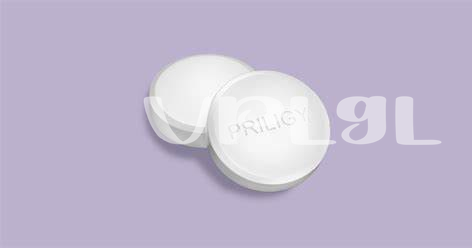
He found a single tablet could simplify his routine; priligy is taken on demand, often ninety minutes before sex, creating flexibility that daily drugs can’t match for many men.
By contrast, SSRIs prescribed for the same problem usually need steady, daily use, which demands habit formation and can complicate travel or missed doses.
Injectables and topical agents present other trade-offs: injection scheduling or messy application lower acceptability, while unpredictable onset times hurt consistent use.
Clinicians balance convenience with effectiveness and side effects when counseling patients, and real adherence often depends on lifestyle, stigma, cost, and clear instructions. Follow-up support and reminders significantly improve long-term use and satisfaction. Text prompts, apps, or partner involvement all help.
Cost, Accessibility, and Insurance Coverage Realities
Patients often weigh out-of-pocket burden, pharmacy availability and insurance approval when choosing treatments. For many, priligy is an acute prescription with variable coverage: some plans approve it under specialty drugs, others deny it as off-label depending on region. Generic alternatives might lower monthly spend but require discussion about efficacy trade-offs. Travel and local pharmacy stock can turn a neat plan into a practical headache, prompting patients to consider mail order or telehealth options.
High copays and prior authorization processes can delay access, so clinicians and pharmacists often help navigate paperwork or suggest patient assistance programs. Manufacturer coupons, generics, and therapeutic substitutions may reduce immediate expense but require informed consent about differences. Ultimately, financial realities interact with clinical risk and lifestyle: a candid conversation about affordability, refill convenience and expected benefit usually leads to the best individualized choice and long-term costs.
| Item | Typical |
|---|---|
| Priligy | Variable |
Choosing Right Treatment: Personal Factors and Risks
Deciding between medications and therapies starts with clear goals, medical history, and tolerance for side effects. Discuss heart and mental health, plus current medications, to narrow safe options and preferences.
Weigh immediacy versus long-term benefit: fast-acting drugs give quick relief, while behavioral therapy builds lasting skills and may reduce reliance on medication over time. Also account for partner preferences too.
Assess risks like allergies, cardiac issues, and drug interactions; some medications are contraindicated. Plan monitoring and follow-up to detect problems early and adjust therapy, and involve your partner.
Discuss costs, access, and dosing schedules to ensure adherence. Shared decision-making that matches values and acceptable risk yields the most sustainable outcome for both partners involved too.